The two-part plan to protect Muni
San Francisco’s beloved Muni transit system is facing a $307 million funding gap. The SFMTA has already made significant efficiency improvements to reduce the deficit. Now, two November 2026 ballot measures will need to pass – a local variable-rate parcel tax and a regional sales tax – to protect and slightly improve the current level of Muni service.
Part 1. Local parcel tax
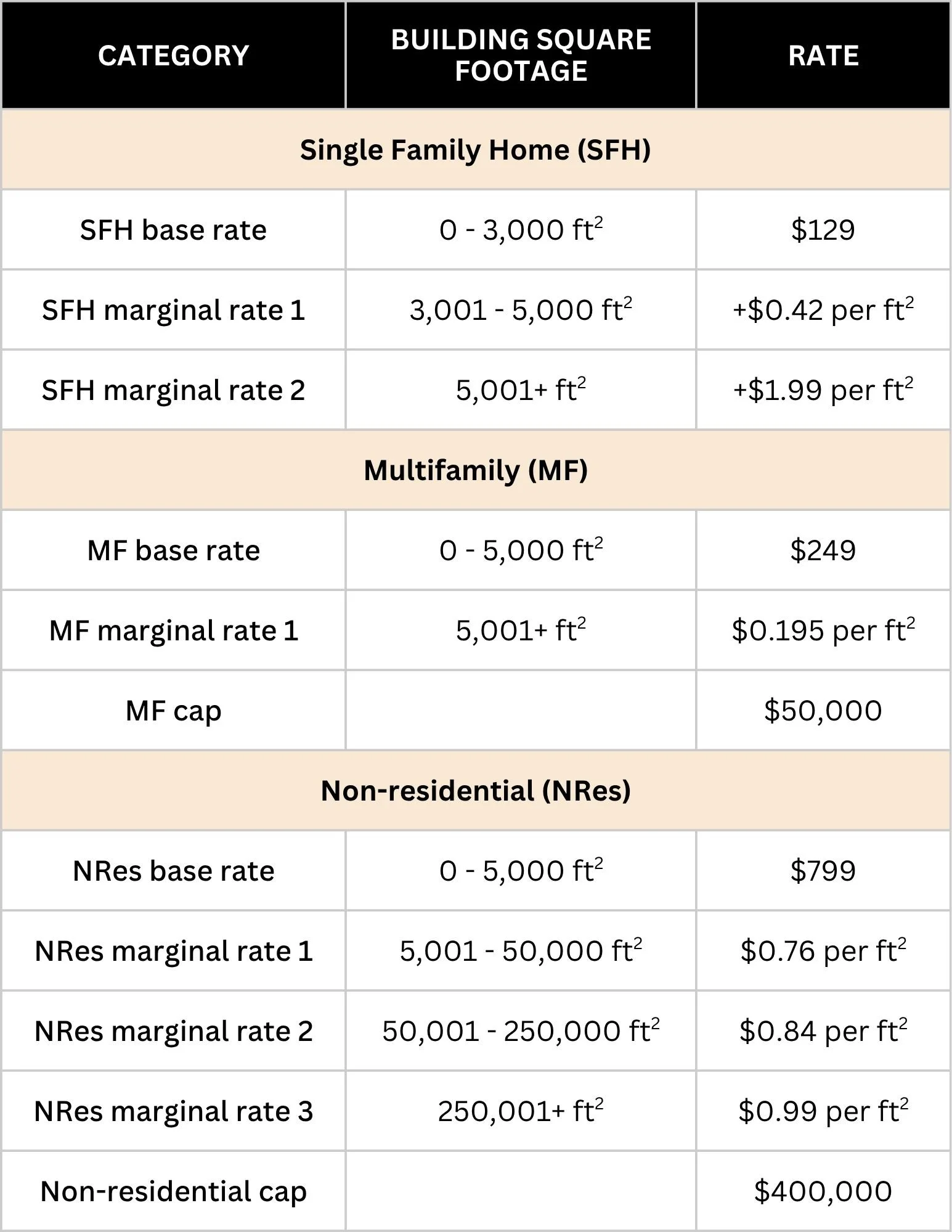
This progressive, variable-rate parcel tax is tiered with differing rates (outlined in the table) for single-family, multifamily, and non-residential parcels that would generate ~$160 million for Muni operations. Smaller parcels pay less, larger parcels pay more. This fills about half of the Muni funding gap of $307 million.
Fairness:
Largest properties pay largest amount
95% of single-family residences pay flat $129 annual rate
Rent controlled units have a capped passthrough of $65 annually
Exemptions for seniors 65+
Accountability:
Sunsets in 15 years
Requires third-party financial efficiency review
Establishes citizens’ oversight group to review revenue and expeditures
Part 2. Regional sales tax
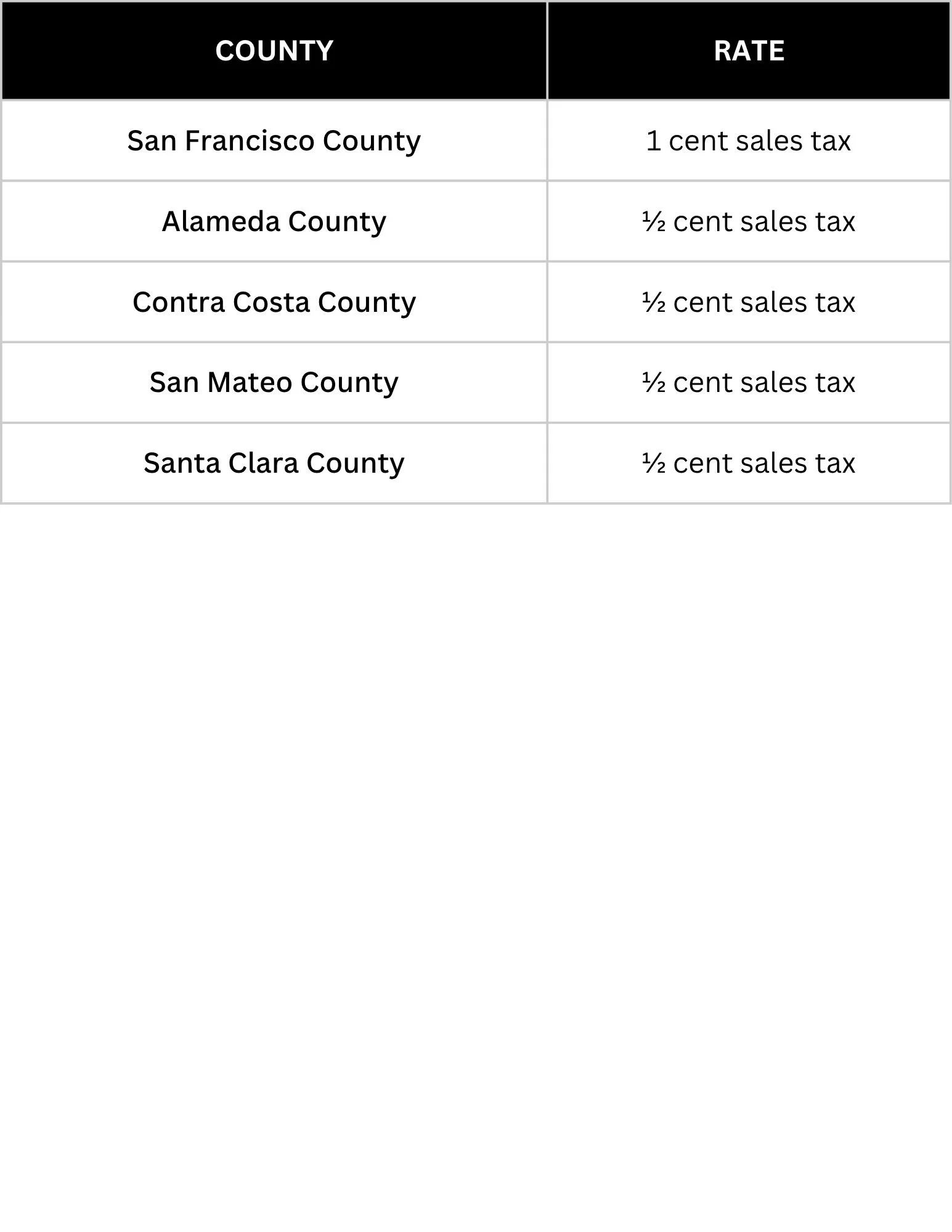
This regional sales tax funds transit operations for the four largest operators facing a fiscal cliff – Muni, BART, Caltrain, AC Transit – and all other agencies in the five counties. ~$170 million of the money generated will fund Muni, filling about half of the $307 million Muni funding gap.
Improvements:
Equity fare discounts
Safety, cleanliness, and convenience
Seamless integration of transit services
Accountability:
Sunsets in 14 years
Independent Oversight Committee for expenditures
Ad Hoc Adjudication Committee to maintain quality across operators
Third-party financial efficiency review of four largest operators